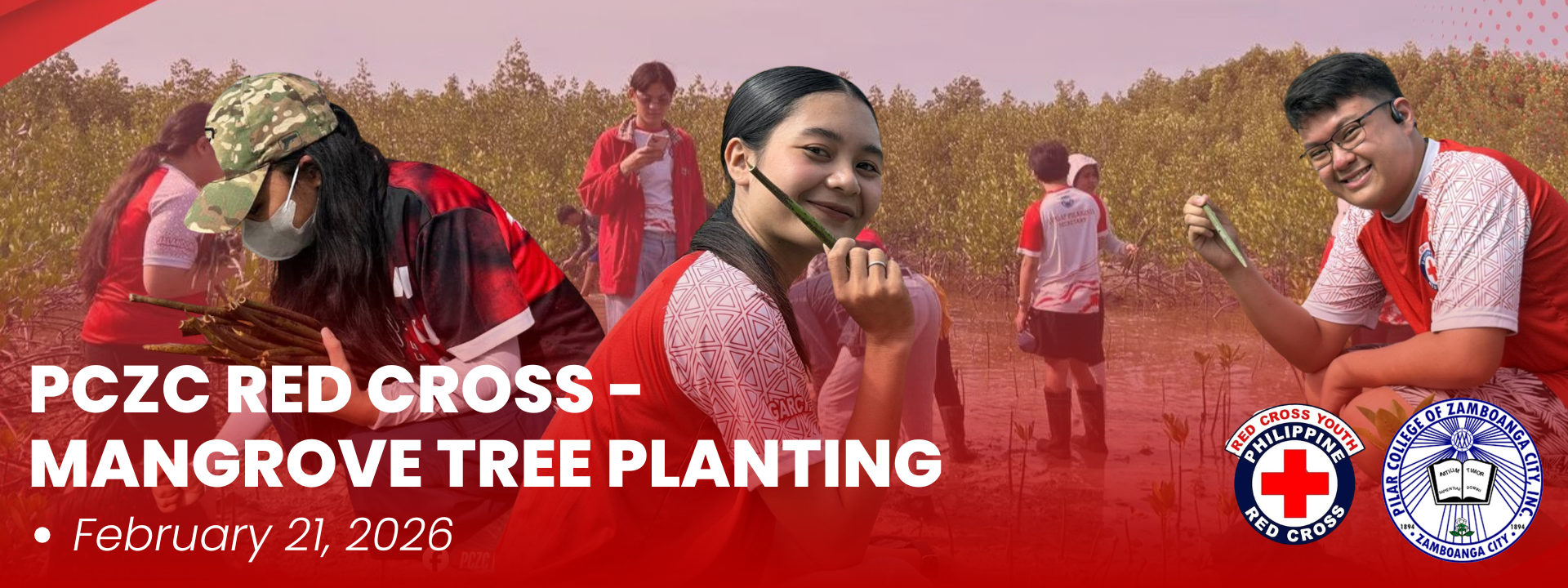
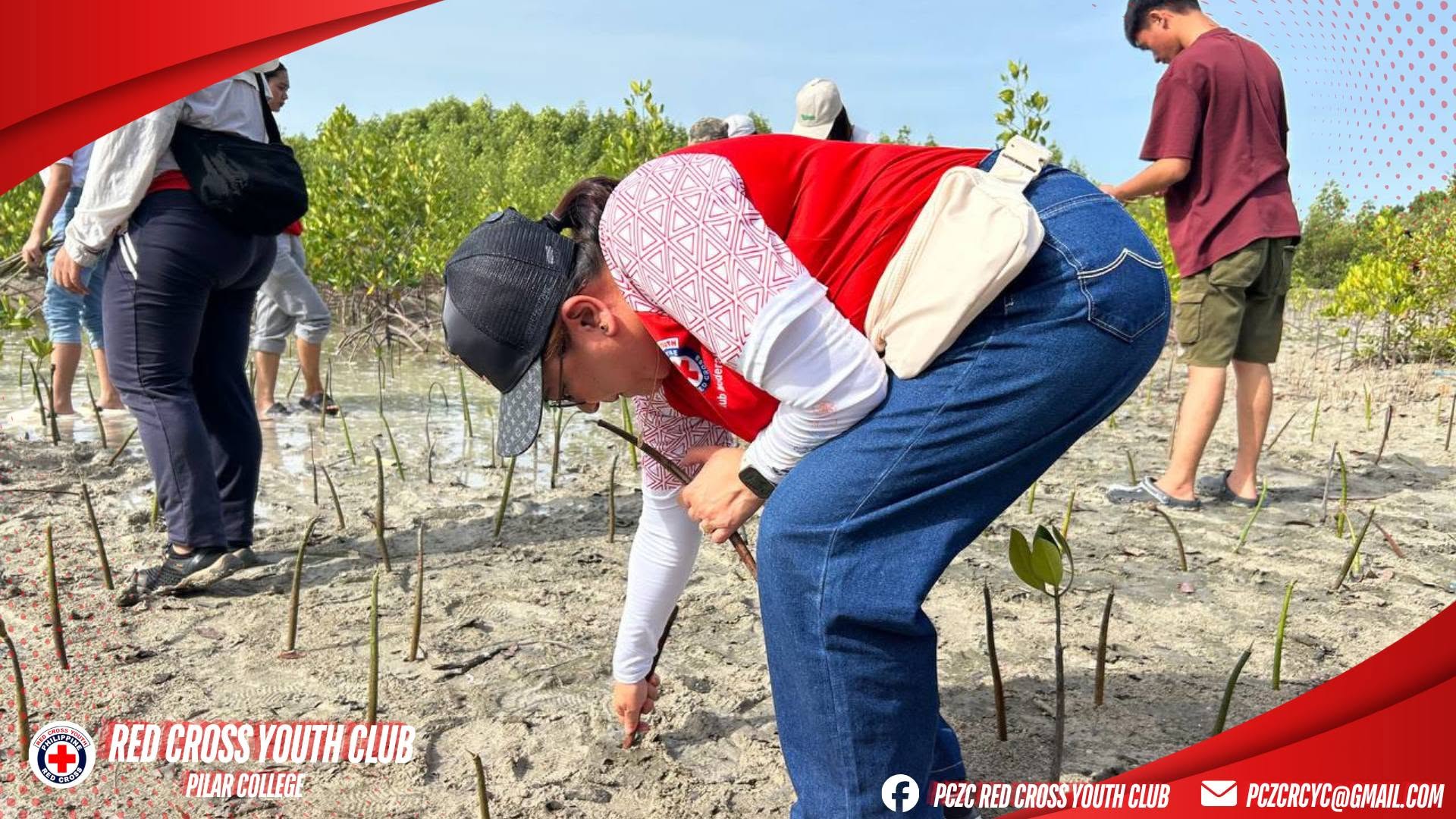
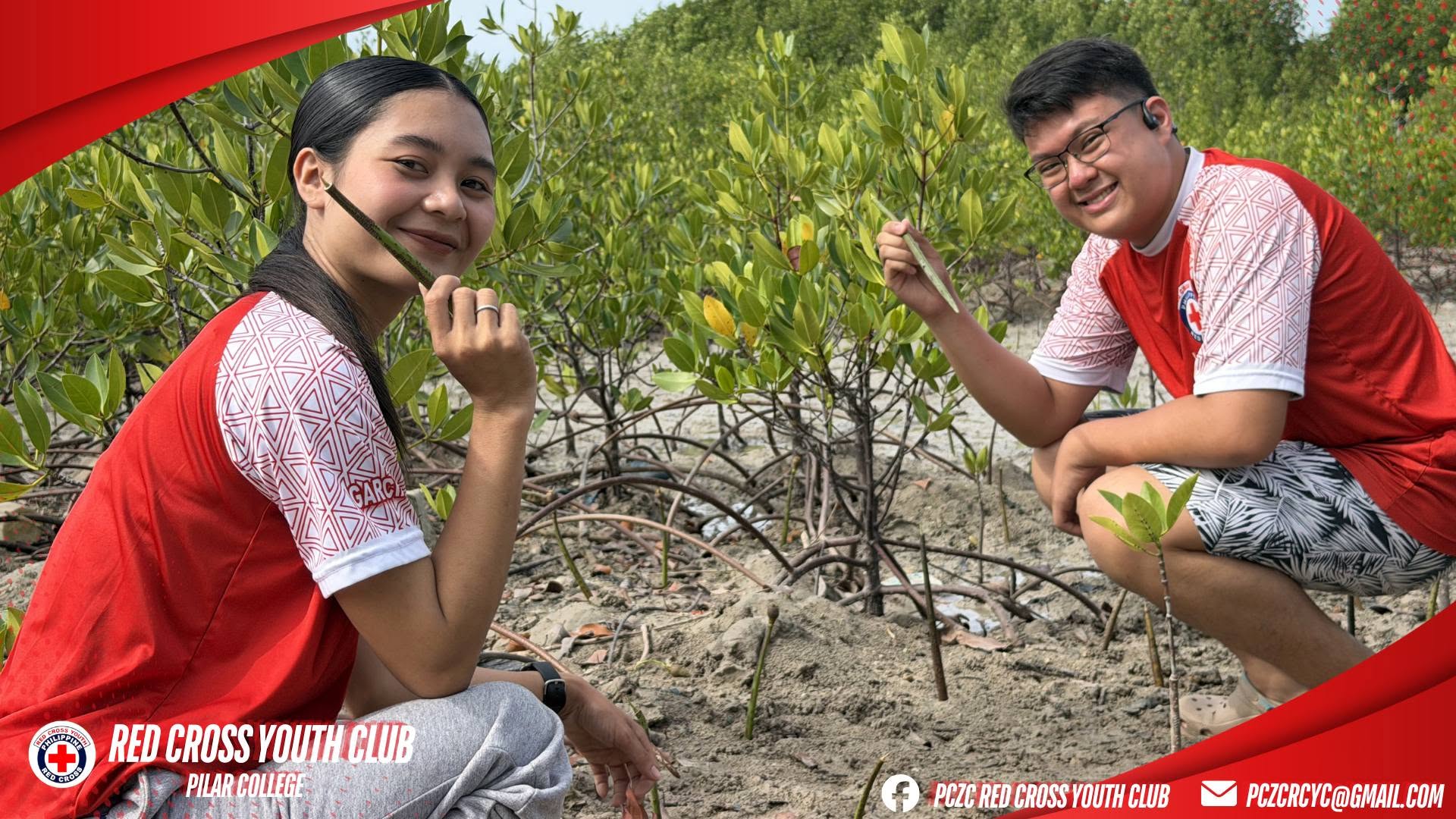
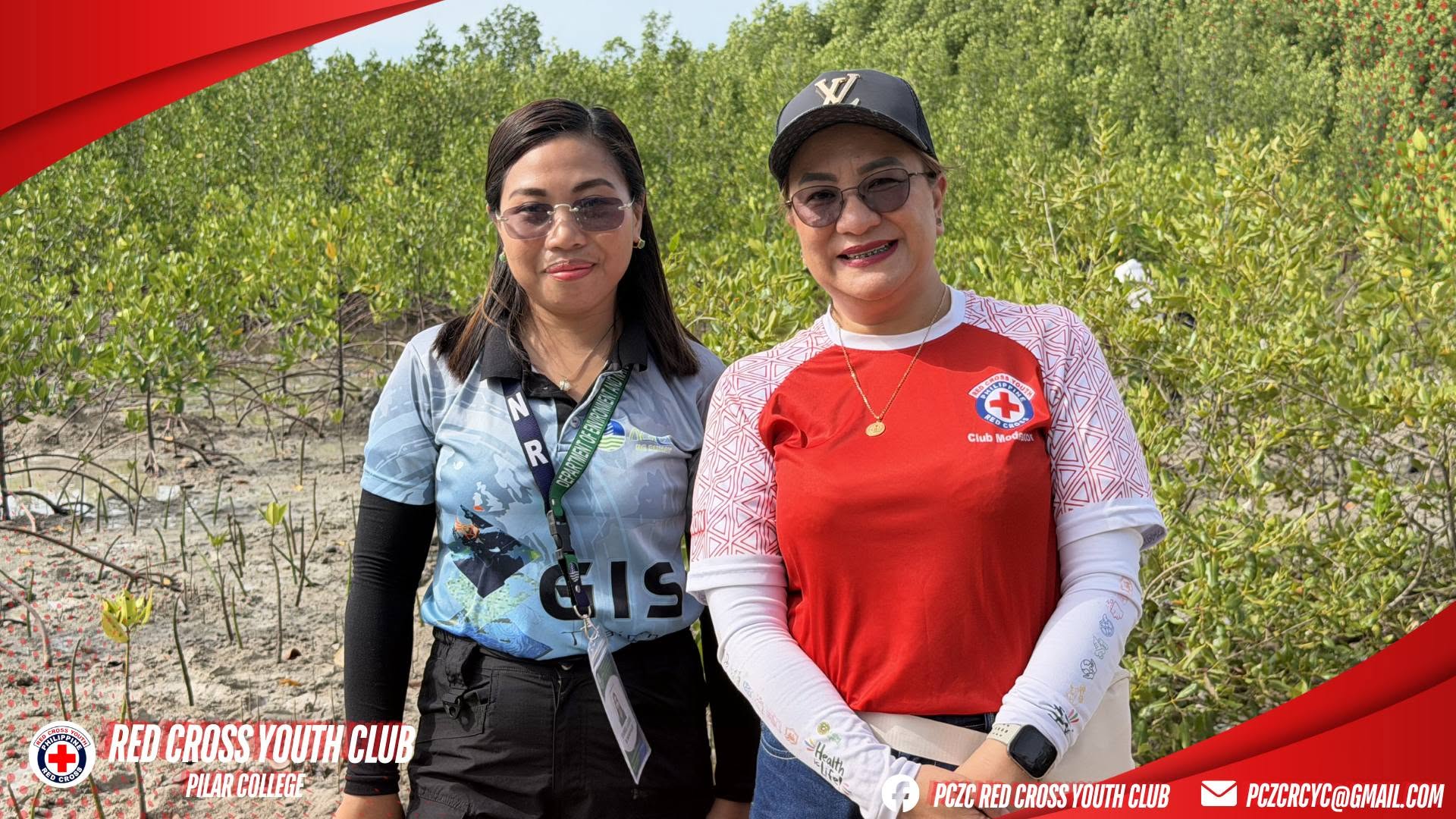
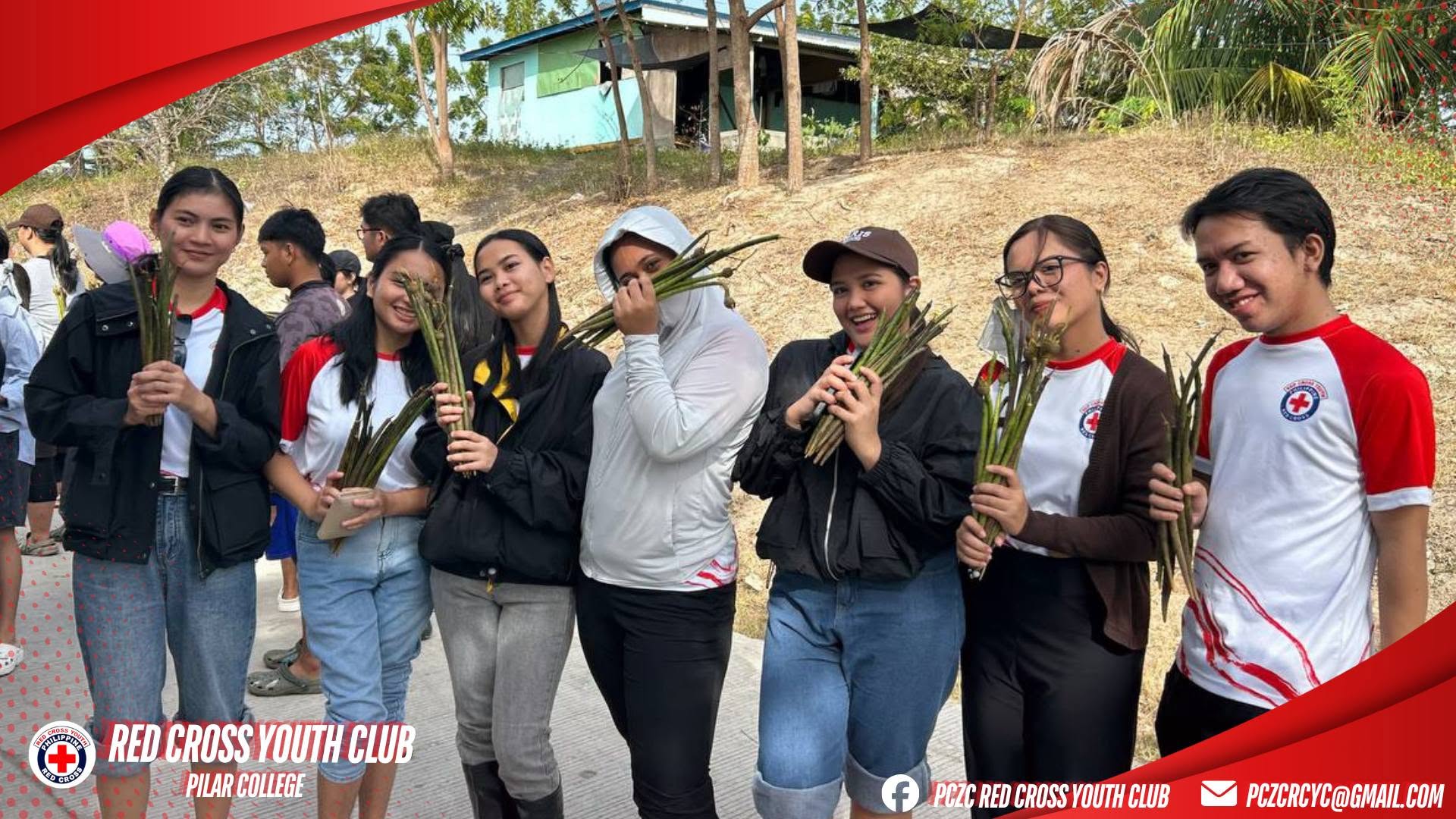
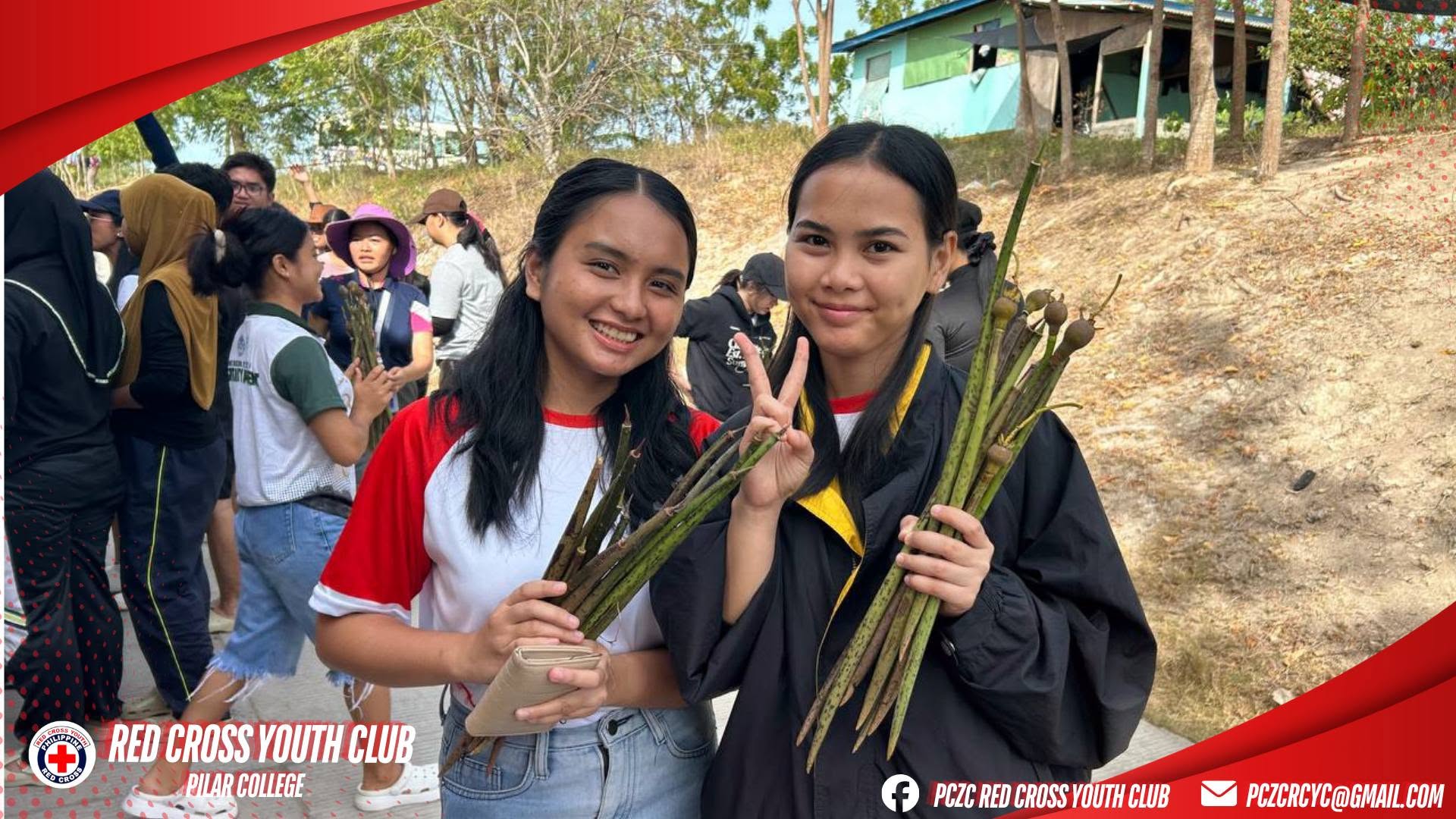
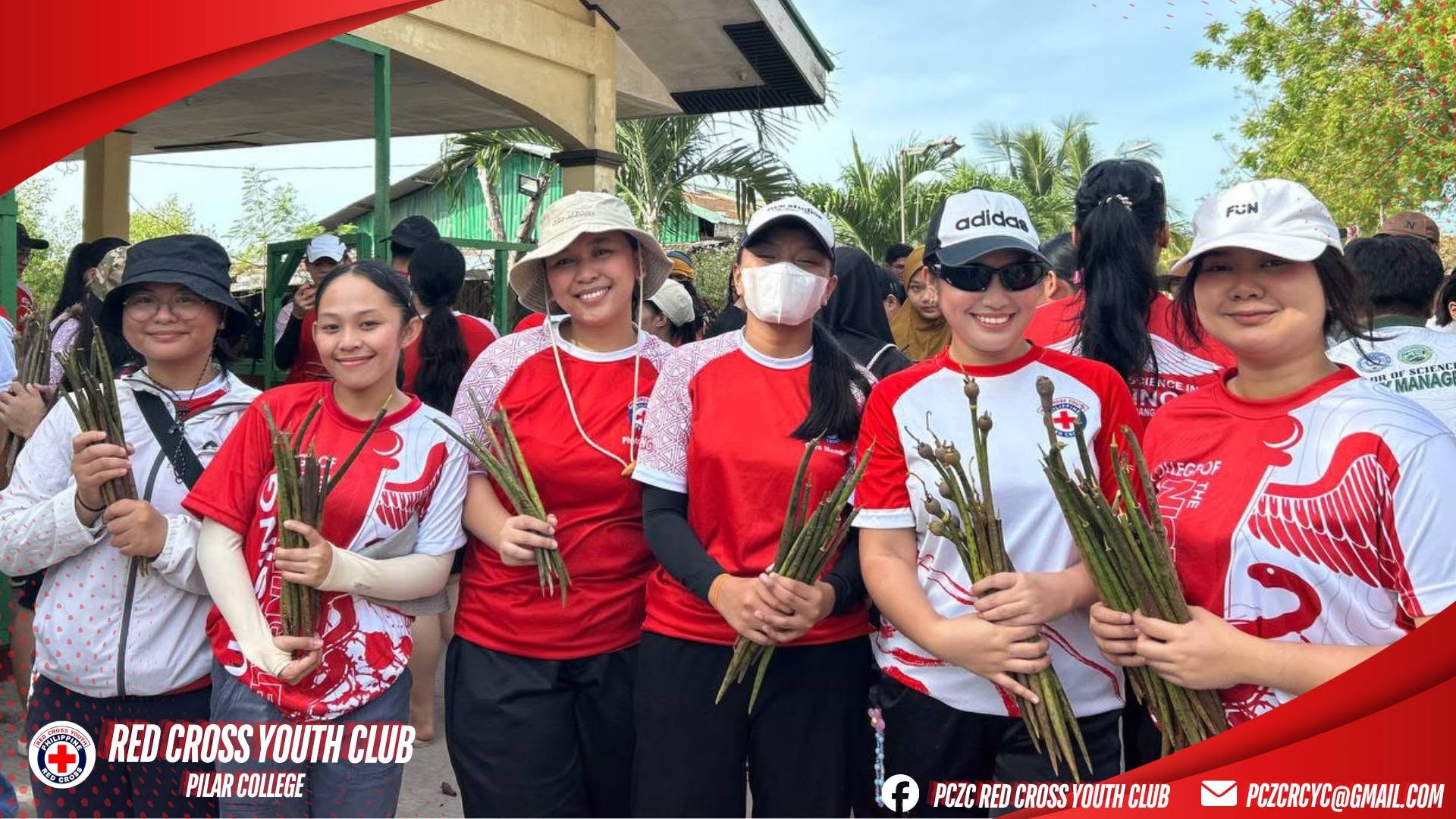
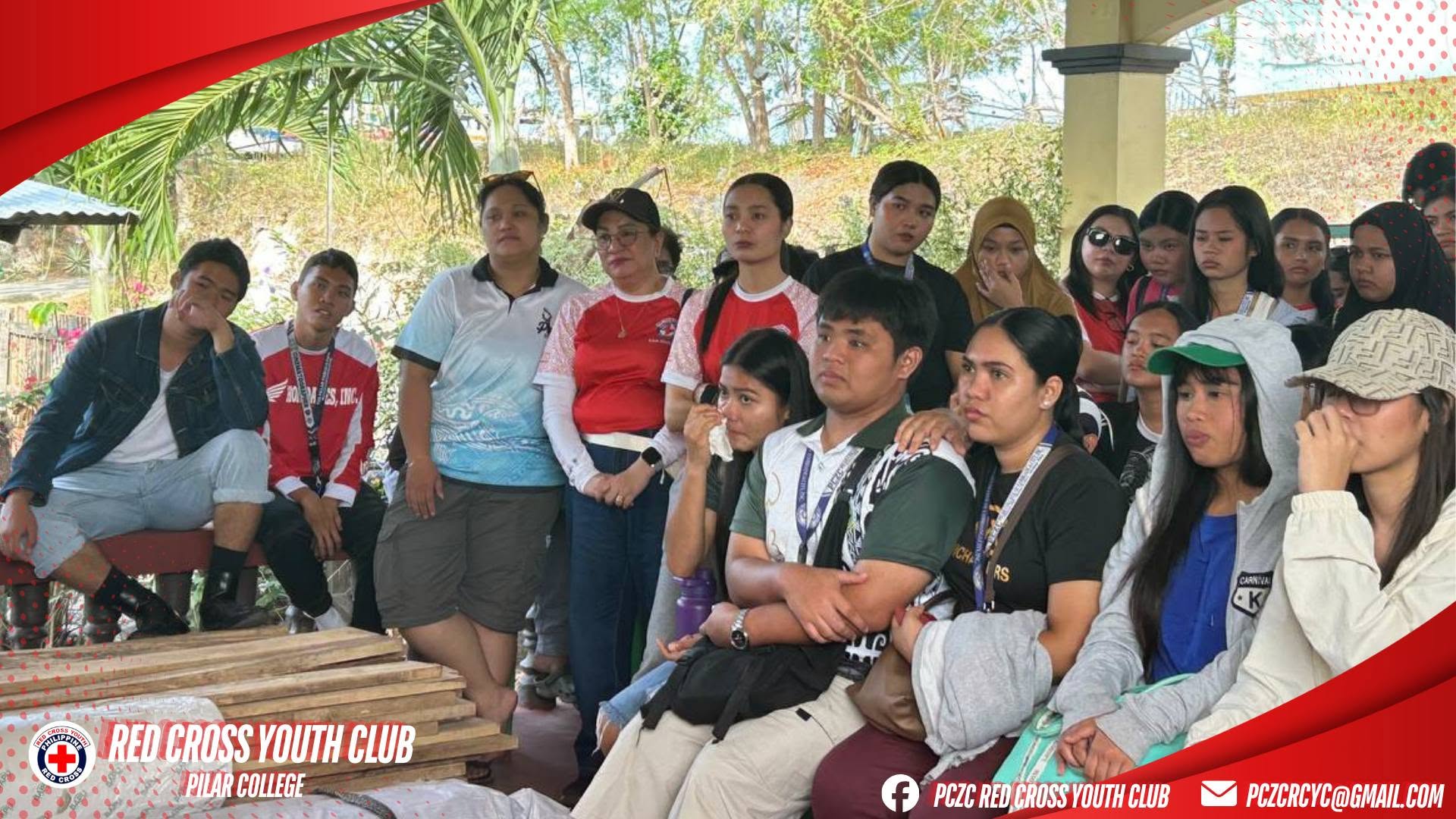
On February 21, 2026, the shoreline became a living embodiment of hope as the Red Cross Youth Club of Pilar College of Zamboanga City, Inc. together with the CENRO-DENR IX spearheaded by the Mangrove Focal Person, Ma’am Famela Monopolio, successfully implemented its Mangrove Tree Planting Activity, a clear reminder that the youth are not only first responders during times of need, but also first defenders of our environment.


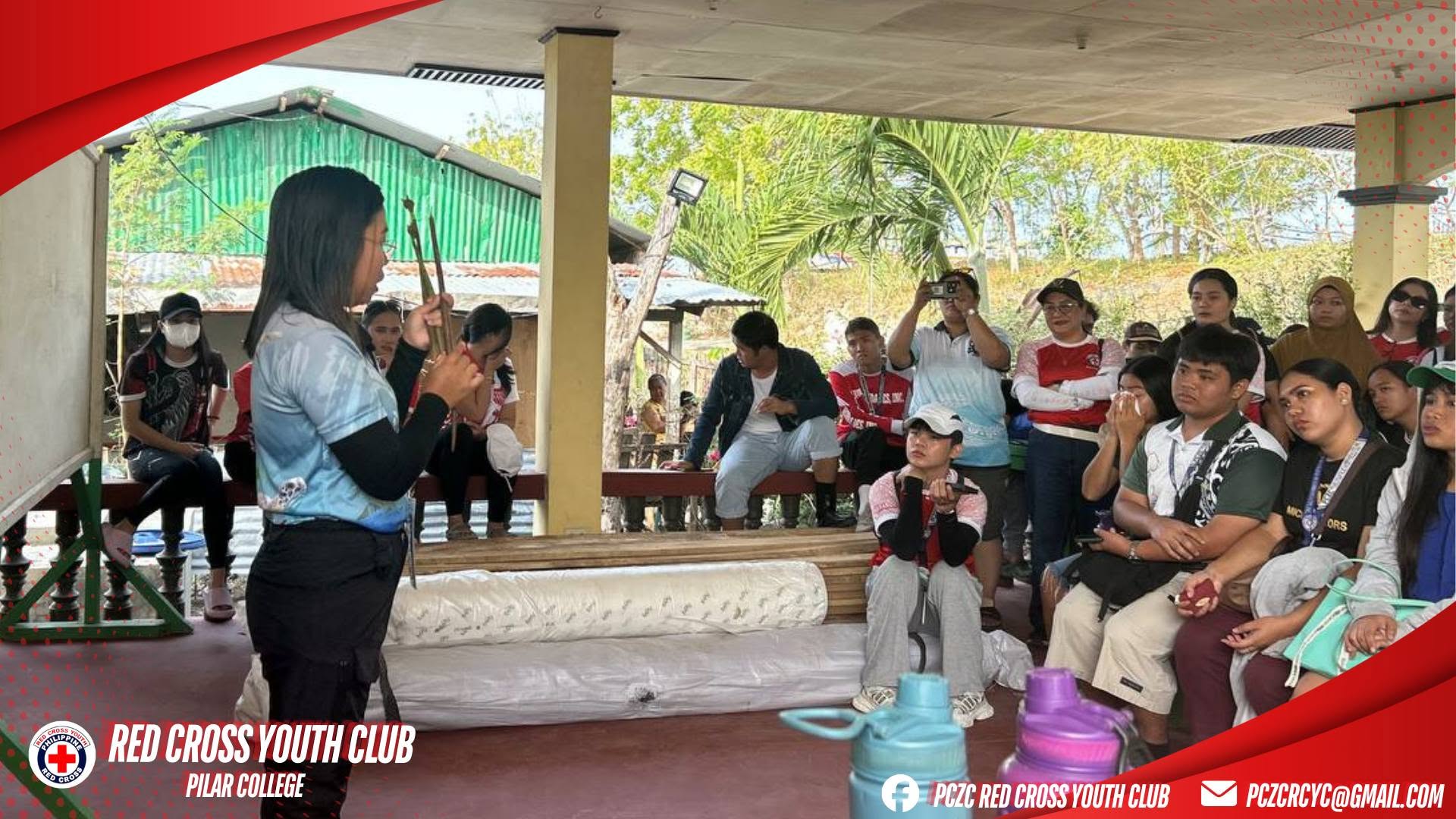
Before the actual planting activity, the participants were oriented on a deeper understanding of mangroves and their importance in our ecosystem. We were introduced to the different types of mangroves and their unique characteristics:
• 𝘽𝙖𝙠𝙖𝙪𝙖𝙣 (Rhizophora spp.) – Known as the “true mangroves,” these species are recognized for their strong prop roots that anchor firmly into muddy tidal zones. Their roots not only stabilize the soil but also create safe habitats for fish, crabs, and other marine organisms.
• 𝘼𝙥𝙞-𝙖𝙥𝙞 (Avicennia spp.) – These mangroves are distinguished by their pneumatophores, or “breathing roots,” that rise above the mud to absorb oxygen in low-oxygen environments. They are commonly found in more landward coastal areas.
• 𝙋𝙖𝙜𝙖𝙩𝙥𝙖𝙩 (Sonneratia spp.) – Often thriving along the seaward edge, these species tolerate high salinity and possess specialized root adaptations such as knee-like roots and pneumatophores, allowing them to endure strong tides and coastal exposure.
These propagules are not mere seedlings; they are living sentinels of our shores and will serve as natural barriers against storm surges, strong waves, and coastal erosion, which is a crucial function especially for communities such as ours. The complex root networks of mangroves offer habitats for fish, crabs, and other marine species, which is essential for the preservation of biodiversity as well as the livelihood of fishing communities. They also absorb large amounts of carbon dioxide, which is vital in fighting climate change, and purify the water by removing pollutants, making our coasts healthier.
It was also made clear during the orientation that mangroves in the Philippines are protected by environmental and fisheries laws, such as the Philippine Fisheries Code (Republic Act 8550, as amended), which prohibits the cutting and destruction of mangrove areas. This is a constant reminder that it is not only our moral obligation to protect our natural resources but also a legal one.
In this initiative, we also learned to accept the fact that protecting the environment is not an act that is separate from serving humanity. When we decide to protect the environment, we also decide to live responsibly with others.
Our sincere and heartfelt gratitude goes to the Honorable City Mayor, 𝐊𝐡𝐲𝐦𝐞𝐫 𝐀𝐝𝐚𝐧 𝐎𝐥𝐚𝐬𝐨, for his unwavering support of youth-led environmental efforts. We also extend our deepest appreciation to our School President, 𝐒. 𝐌𝐚. 𝐏𝐫𝐞𝐜𝐢𝐨𝐬𝐚 𝐌. 𝐑𝐮𝐬𝐢𝐚𝐧𝐚, 𝐑𝐕𝐌, for her endless encouragement and steadfast support in empowering student initiatives that create meaningful impact in the community. Special thanks as well to our ever-dedicated Club Moderator, Ma’am 𝐒𝐡𝐚𝐫𝐨𝐧 𝐏. 𝐏𝐚𝐜𝐚𝐥𝐝𝐨, 𝐑𝐍, 𝐌𝐍, 𝐌𝐀𝐍 and to the inspiring RCYC President, Realyn Babes Garcia, together with her hardworking team, whose leadership, coordination, and commitment made this activity truly successful.
May the mangroves we planted today grow strong and resilient — just like the spirit of the Red Cross Youth Club of Pilar College. Because when young hearts unite for a cause greater than themselves, they do not only plant trees — they cultivate a future rooted in hope, harmony, and sustainability.


: Chesed Jalandoni

: Hanna Krishna Jaman

: Clarence Miranda, Fatima Shur-aina Alawaddin